
19th January 2026
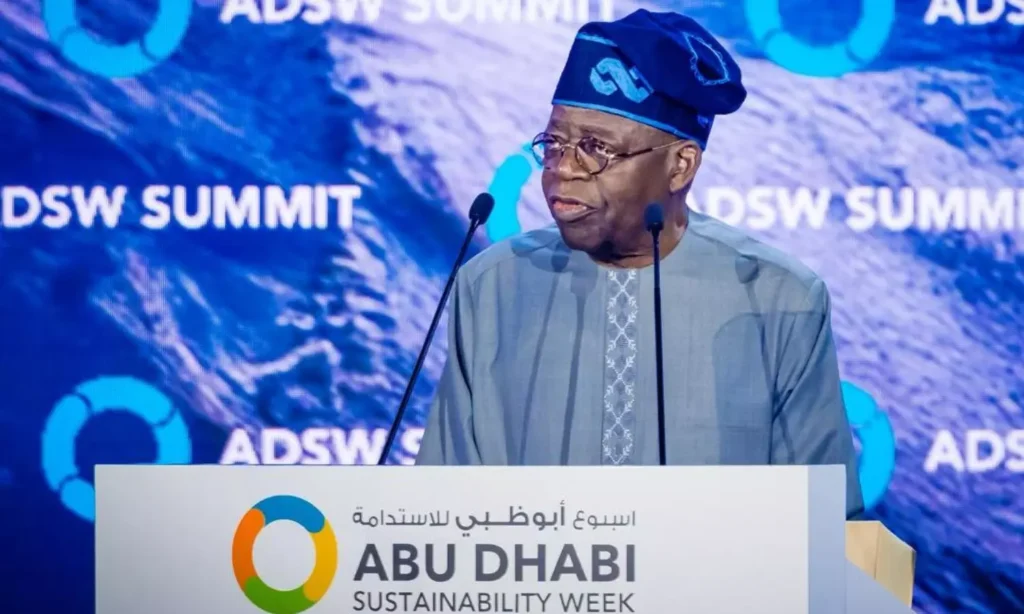
Nigeria has concluded a Comprehensive Economic Partnership Agreement (CEPA) with the United Arab Emirates, marking a significant step in strengthening bilateral economic relations. Signed on the sidelines of Abu Dhabi Sustainability Week in the presence of President Bola Tinubu and UAE President Mohamed bin Zayed Al Nahyan, the agreement establishes a structured framework to expand cooperation across trade, logistics, renewable energy, infrastructure, and digital trade.
The partnership is designed to improve the flow of goods, services, and capital between both countries, with particular emphasis on logistics and supply chain development. It also prioritizes trade-enabling infrastructure, including transport networks and energy systems that support industrialization and export growth. President Tinubu emphasized that the agreement reinforces Nigeria’s ambition to position itself as a major trade and investment hub within Africa while deepening integration into global value chains.
The agreement aligns with Nigeria’s broader investment and energy transition agenda, including reforms aimed at attracting long-term capital. These include climate-aligned infrastructure development, expansion of renewable energy, and the strengthening of export-oriented supply chains. The timing of the agreement is also strategic, as Nigeria prepares to co-host Investopia in Lagos, an initiative intended to mobilize international investment and accelerate commitments in trade, energy transition, and industrial development.
Key Takeaways/Potential Benefits:
The CEPA strengthens Nigeria–UAE economic relations by expanding trade and investment, improving logistics and infrastructure, and enhancing Nigeria’s role as a regional hub. It supports Nigeria’s energy transition and climate finance goals, boosts investor confidence through recent policy reforms, and promotes non-oil export growth, value addition, and deeper integration into global value chains.