
23rd January 2026

Africa’s digital economy could reach $720 billion by 2050, offering a major source of growth and employment for a continent with the world’s youngest population
African Continental Free Trade Area (AfCFTA) is shifting focus to execution, with digital trade emerging as a key component in delivering growth at scale.
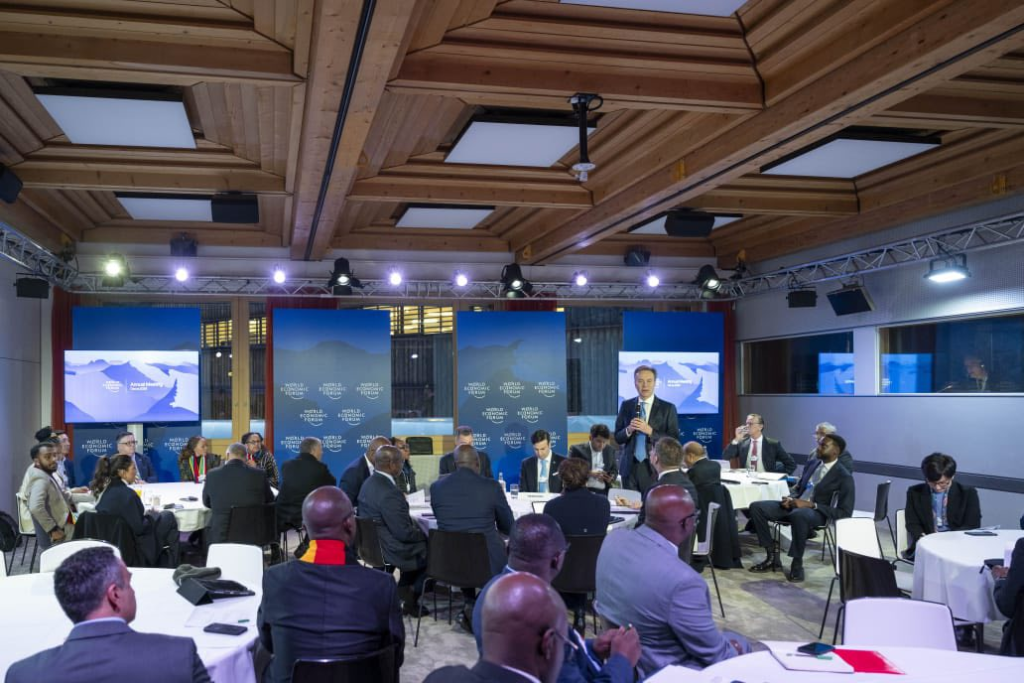
Speaking at the Friends of the AfCFTA Breakfast Meeting on the margins of the World Economic Forum, AfCFTA Secretary-General Wamkele Mene said the agreement had entered its full implementation phase after 50 of the 55 state parties ratified the pact and all associated protocols were concluded.
The milestone means the legal architecture underpinning the world’s largest free trade area by membership is now in place.
Attention is now turning to delivery, particularly following the adoption of the Protocol on Digital Trade. The protocol marks a shift from rule-making to execution and places digital infrastructure at the centre of Africa’s integration agenda. Mene said its success would depend on enabling cross-border data flows, interoperable digital payment systems and trusted data-protection frameworks, alongside continued progress on payments as a critical enabler of trade at scale.
The stakes are high. Africa’s digital economy could reach $720 billion by 2050, offering a major source of growth and employment for a continent with the world’s youngest population. Mene cautioned, however, that the opportunity must be matched with jobs, skills development and access. Without that alignment, the demographic dividend could turn into a liability.
To support delivery, Mene pointed to the launch of the ADAPT project in 2025, a joint initiative involving the AfCFTA Secretariat, the World Economic Forum, the Tony Blair Institute and IOTA. The programme is designed to accelerate digital trade readiness across member states and help translate policy commitments into operational systems.
Private sector engagement will be critical, Mene said, with opportunities spanning sectors from agritech to healthtech. Collaboration with global and regional partners, including technology firms such as Google, is expected to play a role in supporting young people and building the skills needed to participate in cross-border digital trade.
With the rules largely agreed, the success of Africa’s single market will increasingly be judged by whether digital trade, payments and data systems can work seamlessly across borders, and whether they can deliver inclusive growth for businesses and workers across the continent.
Key Takeaways/Potential Benefits to African Trade:
The AfCFTA’s Digital Trade Protocol has the potential to act as a powerful growth multiplier for African trade by lowering transaction costs, reducing border frictions, and expanding market access—particularly for small and medium-sized enterprises. Interoperable payment systems and harmonized data frameworks can unlock trade at scale, enabling faster, cheaper, and more secure cross-border transactions that strengthen regional supply chains and advance AfCFTA’s objective of boosting intra-African trade.
At the same time, a digital economy projected to reach USD 720 billion by 2050 presents significant opportunities for jobs, entrepreneurship, and innovation, especially for Africa’s young population. Realizing this potential will depend on aligning digital trade expansion with skills development, digital access, and strong public–private collaboration. Initiatives such as ADAPT illustrate how governments, partners, and the private sector can move from policy to impact, ensuring effective implementation that positions Africa as a competitive player in the global digital economy.