
17th February, 2026
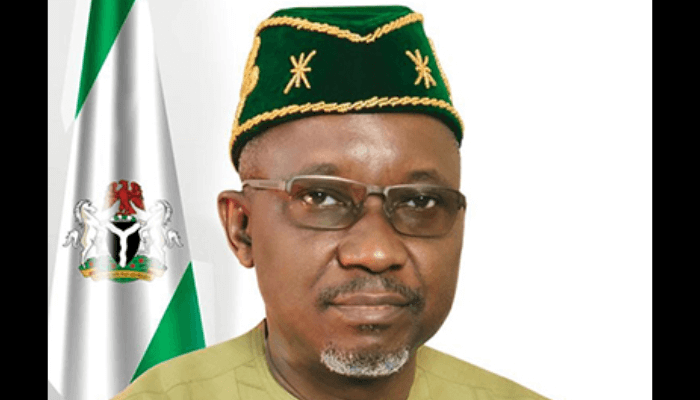
Nigeria’s policy direction, as outlined by Minister of State for Petroleum Resources (Gas) Ekperikpe Ekpo, frames the African Continental Free Trade Area (AfCFTA) as a catalyst for transforming the country — and potentially the continent — from a raw resource exporter into an integrated industrial economy powered by natural gas.
The strategy rests on a structural idea: Africa’s problem has not been resource scarcity but market fragmentation. By enabling freer movement of capital, services, skills and standards across borders, AfCFTA creates conditions for regional production systems rather than isolated national industries. Within that framework, Nigeria aims to leverage its large gas reserves to anchor manufacturing, petrochemicals, fertiliser production and regional energy trade.
The emphasis on shared infrastructure — pipelines, LNG facilities and logistics corridors — suggests a shift toward continental-scale industrial planning. At the same time, the Minister’s caution on local content highlights a key policy tension: attracting investment while ensuring domestic firms are not crowded out. The approach therefore combines liberalised trade with protective industrial policy, positioning gas as a transition fuel and industrial enabler rather than just an export commodity.
Overall, the policy direction reflects an ambition to use energy as the backbone of regional manufacturing integration rather than as a standalone extractive sector.
Aligning gas development with the African Continental Free Trade Area could help Nigeria drive large-scale industrialisation by lowering energy costs for manufacturers, expanding regional trade markets, and attracting long-term infrastructure investment. Greater use of gas for power, fertiliser and petrochemicals may strengthen manufacturing competitiveness, create skilled jobs, and improve energy reliability across neighbouring countries, while local content policies can ensure domestic firms participate in supply chains and retain more economic value within Africa.