
18th February, 2026
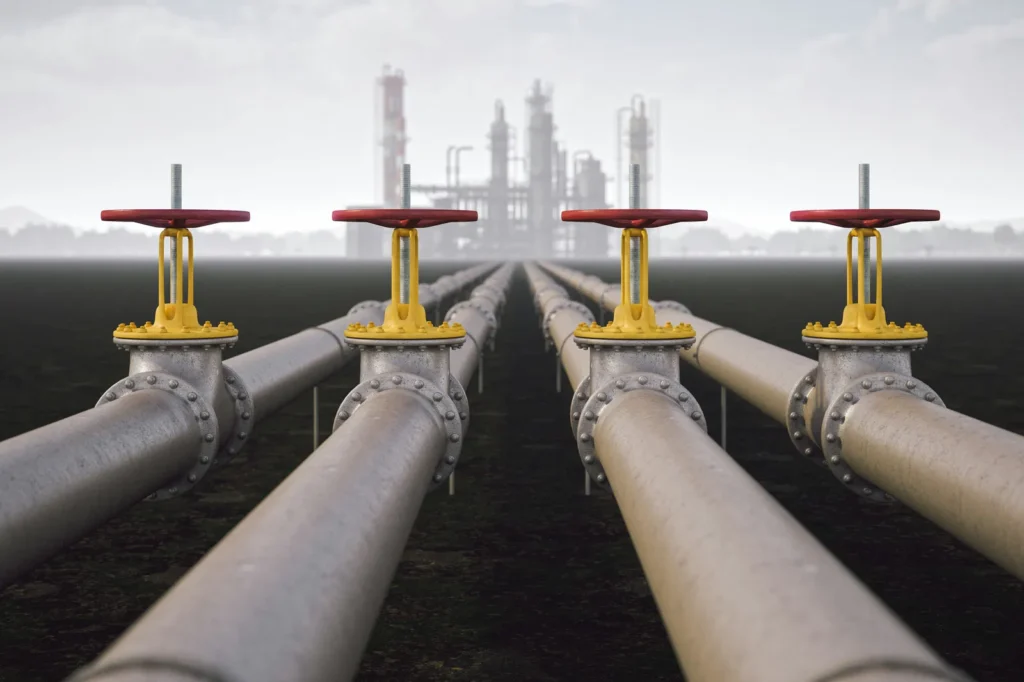
Africa’s energy strategy is increasingly shifting from isolated national projects to coordinated regional infrastructure, with large cross-border gas pipelines positioned as tools for both energy security and economic integration. Comments from NNPC Ltd’s leadership highlight a continental approach in which shared assets — particularly the Nigeria–Morocco Gas Pipeline and the West African Gas Pipeline — are intended to function as economic corridors rather than just transport systems.
The argument is that Africa’s development constraint lies not only in insufficient energy supply but in fragmented markets. By connecting production centres to multiple consuming economies, cross-border infrastructure could stabilise supply, enable large-scale industrial demand, and create integrated regional energy markets. However, the emphasis on harmonised pricing, regulations and joint investment platforms shows recognition that infrastructure alone is insufficient; governance alignment is equally critical to attract long-term capital and reduce political risk.
Positioning natural gas as the backbone of industrialisation also reflects a pragmatic transition strategy — using relatively cleaner hydrocarbons to power manufacturing and electrification while maintaining environmental accountability. Overall, the narrative frames energy integration as a prerequisite for broader economic integration across Africa