
Minister of Communications Innovation and Digital Economy, Bosun Tijjani, has expressed confidence in the transformative potential of the National Digital Economy and e-Governance Bill currently undergoing deliberation in the National Assembly. Sponsored by Chairman Adedeji Dhikrullahi Olajide of the House Committee on Digital and Information Technology, the bill recently achieved a significant milestone by clearing its first reading in the House of Representatives, paving the way for regulating and advancing Nigeria’s digital economy.
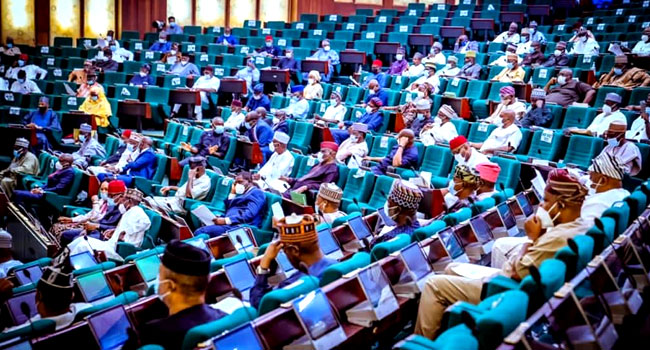
Chairman Olajide emphasized the bill’s pivotal role in establishing a robust legal framework essential for the development and regulation of Nigeria’s digital economy. He highlighted its objectives to bolster digital literacy, enhance cybersecurity measures, and stimulate innovation and entrepreneurship. Olajide also outlined plans for a nationwide consultation process to solicit feedback from stakeholders, ensuring the bill is inclusive and responsive to Nigeria’s diverse needs.

“This legislation represents a crucial stride towards unleashing the full potential of our digital economy and positioning Nigeria as a global digital leader,” stated Olajide.

During recent media engagements, Minister Tijjani highlighted projections indicating that Nigeria’s digital economy sector could contribute up to $18.3 billion to the GDP, underscoring its pivotal role in driving economic growth. He expressed optimism regarding the bill’s capacity to accelerate Nigeria’s digital transformation, positioning the nation as a frontrunner in the global digital arena.

“The digital economy is foundational to modern economies,” Minister Tijjani asserted. “Given Nigeria’s prominence as a top destination for capital and foreign direct investment in Africa, this legislation will catalyze our journey towards digital excellence.”

Minister Tijjani also acknowledged the World Bank’s endorsement of the bill, detailing forthcoming initiatives aimed at raising public awareness nationwide. He emphasized the bill’s potential to foster fair competition, spur innovation, and enhance Nigeria’s economic competitiveness, aligning with President Bola Tinubu’s vision for Nigeria’s digital future.

Echoing these sentiments, Kashifu Inuwa, Director General of the National Information Technology Development Agency (NITDA), underscored the bill’s pivotal role in fortifying Nigeria’s digital ecosystem across governmental and private sectors.

With Nigeria poised to finalize the bill’s details by July 23, 2024, stakeholders anticipate its enactment to unlock new opportunities, enhance productivity, and foster inclusive economic development.

Explore how Harboursim LP can navigate the evolving legal landscape of Nigeria’s digital economy. Visit Harboursim LP to learn more.

Namibia grants legal recognition to electronic signatures under AfCFTA digital trade rules

10 September, 2026   Namibia has legally recognised electronic signatures, marking a…

AfCFTA signs digital trade corridor deal, eyes $500 billion in Intra-African Commerce

7 September, 2026   The African Continental Free Trade Area (AfCFTA) Secretariat has signed a…

AfCFTA signs $3.1bn customs modernisation deal to boost Intra-African Trade

10 August, 2026 The African Continental Free Trade Area (AfCFTA) Secretariat has entered into a…

ECOWAS Commission Strengthens Capacity on ASRII Digital Platform

10 August, 2026   The ECOWAS Commission held a four-day capacity-building training on the…

India-Africa trade tops $100 billion as business leaders push for stronger investment links

August 3, 2026 Trade between India and Africa has surpassed $100 billion, reflecting the…

Nigeria, Benin, Cameroon Customs move to modernise borders, boost AfCFTA Trade

August 3, 2026 The Nigeria Customs Service, NCS, alongside the Customs administrations of Benin…

Reps move to domesticate AfCFTA, advance 13 commerce bills to boost trade, digital economy

August 3, 2026   The House of Representatives has begun legislative consideration of 13…

The AAGP Intergovernmental Agreement: How Far Does it Take the Project?

24 July, 2026 The AAGP Intergovernmental Agreement: How Far Does it Take the Project? The signing of…

Namibia grants legal recognition to electronic signatures under AfCFTA digital trade rules

10 September, 2026   Namibia has legally recognised electronic signatures, marking a…

AfCFTA signs digital trade corridor deal, eyes $500 billion in Intra-African Commerce

7 September, 2026   The African Continental Free Trade Area (AfCFTA) Secretariat has signed a…

AfCFTA signs $3.1bn customs modernisation deal to boost Intra-African Trade

10 August, 2026 The African Continental Free Trade Area (AfCFTA) Secretariat has entered into a…

ECOWAS Commission Strengthens Capacity on ASRII Digital Platform

10 August, 2026   The ECOWAS Commission held a four-day capacity-building training on the…

India-Africa trade tops $100 billion as business leaders push for stronger investment links

August 3, 2026 Trade between India and Africa has surpassed $100 billion, reflecting the…

Nigeria, Benin, Cameroon Customs move to modernise borders, boost AfCFTA Trade

August 3, 2026 The Nigeria Customs Service, NCS, alongside the Customs administrations of Benin…

Reps move to domesticate AfCFTA, advance 13 commerce bills to boost trade, digital economy

August 3, 2026   The House of Representatives has begun legislative consideration of 13…

The AAGP Intergovernmental Agreement: How Far Does it Take the Project?

24 July, 2026 The AAGP Intergovernmental Agreement: How Far Does it Take the Project? The signing of…

Leave a Reply

Your email address will not be published. Required fields are marked *