
June 20, 2026
Ghana’s call for West African countries to adopt a “mine together, process together” approach marks a bold shift in Africa’s industrialisation agenda. Rather than continuing the long-standing practice of exporting raw minerals with little or no value addition, the initiative advocates regional collaboration to develop processing industries that can transform Africa’s abundant natural resources into higher-value products.
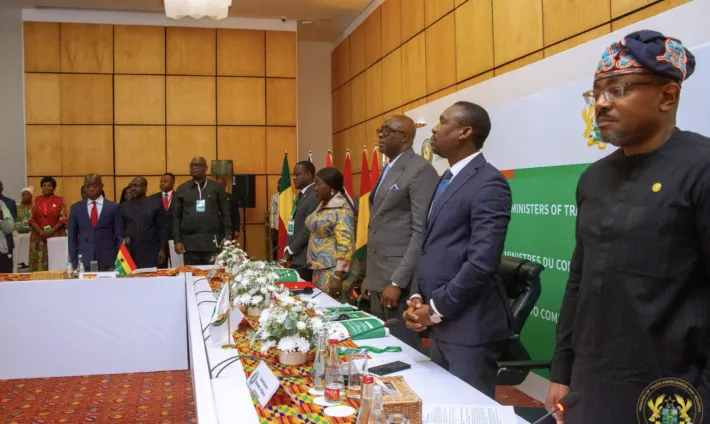
Speaking at the Fifth Joint ECOWAS Meeting of Ministers of Trade and Industry in Accra, Ghana’s Minister for Trade, Elizabeth Ofosu-Adjare, emphasised that Africa can no longer afford to remain a supplier of raw materials while other regions capture the economic benefits of manufacturing and industrial processing. Her message reflects growing recognition that sustainable economic growth will depend on developing integrated regional value chains rather than isolated national industries.
The proposal aligns closely with the objectives of the African Continental Free Trade Area (AfCFTA), which seeks to create a single African market by eliminating trade barriers and promoting intra-African commerce. By encouraging neighbouring countries to jointly develop mineral processing industries, harmonise standards, improve transport infrastructure and digitise border processes, ECOWAS could establish a competitive industrial ecosystem capable of serving both African and global markets.
The discussions also highlighted practical implementation rather than policy declarations. Ghana pledged to begin immediate implementation with measurable timelines, while Nigeria reinforced the need for coordinated investments in energy, transport and manufacturing. This emphasis on execution demonstrates a growing commitment among African leaders to move beyond agreements and deliver tangible economic outcomes.
However, the success of this ambitious vision will depend on addressing long-standing challenges, including inadequate infrastructure, unreliable power supply, financing constraints, regulatory harmonisation and political commitment across member states. If these issues are effectively managed, the initiative could become a model for regional industrial cooperation across Africa.